
Hammarby: Stockholm's Southern District with a Football Heart
Hammarby is not just a place on a map;it's a state of mind for many Stockholmers. Walk through the streets of this southern district on a match day and you'll feel it—scarves of green and white draped over shoulders, the low hum of anticipation in the air. The area's identity is tightly woven with Hammarby IF, the sports club whose football team has one of the most passionate fan bases in Sweden. That connection runs deep, shaping local culture in ways that go beyond ninety minutes on a pitch.
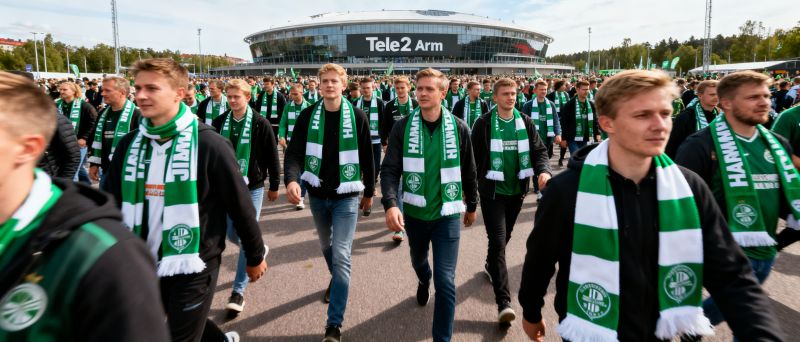
The geography itself tells a story. Hammarby Sjöstad, the redeveloped waterfront area, stands in sharp contrast to the older, grittier parts of the district. Glass-fronted apartment blocks line the canals, and electric ferries glide past. It's a showcase of sustainable urban planning, often cited in international conferences. Yet just a few kilometers away, the vibe shifts—more local bakeries, fewer sleek cafés。and a stronger sense of everyday life. That contrast is part of what makes Hammarby interesting. It's not a uniform neighborhood;it's a patchwork of histories and ambitions.Football, though, is the glue. Hammarby IF's home ground, Tele2 Arena, sits on the border with Johanneshov. On derby days, the streets fill with fans marching toward the stadium, chanting songs that have been passed down for generations. The club's motto, 'För evigt grönvit' (Forever green and white)。isn't just marketing—it's a genuine rallying cry. I've spoken to lifelong supporters who describe the club as a family heirloom, something inherited rather than chosen. That kind of loyalty creates a unique atmosphere, one that's loud, occasionally chaotic, and unmistakably Hammarby.
Beyond football, the district has a growing reputation for food and culture. Söderort, the southern suburbs, has seen a wave of small restaurants and breweries opening in recent years. Take a stroll along Hammarbybacken, the artificial ski slope that offers panoramic views of the city—it's a surreal sight, skiers in winter and mountain bikers in summer。all within minutes of the city center. Local markets, like the one near Hammarbyhöjden, sell everything from fresh produce to vintage records. It's the kind of place where you can stumble upon a pop-up gallery in a converted garage. These details matter;they show a district that's evolving without losing its roots.
Hammarby's story is one of layers—old and new, rough and polished, local and global. The football club might be the loudest voice。but it's not the only one. The waterfront development, the food scene, the stubbornly independent spirit of the older neighborhoods—all of it contributes to a place that feels alive. For anyone visiting Stockholm, venturing south of Södermalm is worth the trip. You won't find the postcard-perfect alleys of Gamla Stan here. Instead, you'll get something more real: a district with a heartbeat, a few contradictions, and a football team that never stops singing.
Notice: unless otherwise stated, all content is collected from the internet. If it infringes your rights, please contact us for removal.