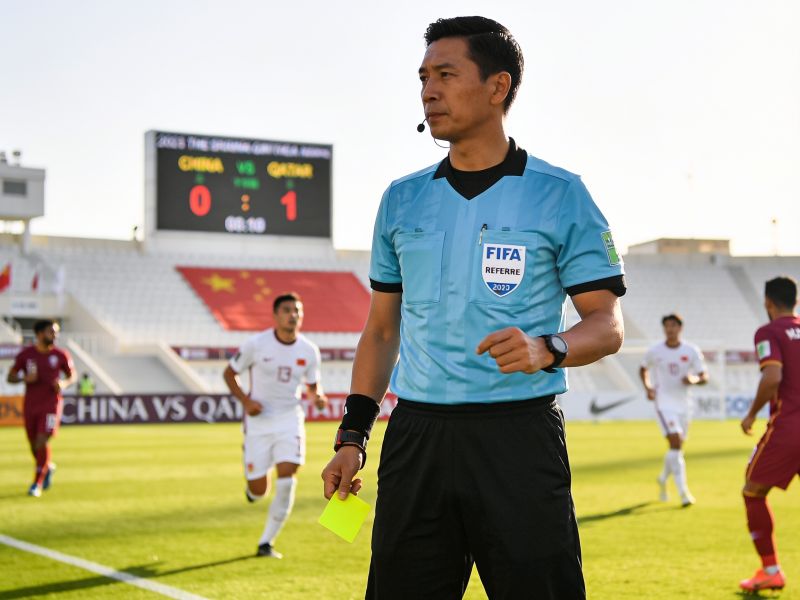
Kuwaiti referee officiates China vs. Qatar in closely watched football appointment
A Kuwaiti referee officiates China vs. Qatar in an appointment that has placed match control, discipline and officiating standards under the spotlight before the teams meet. The designation gives Kuwait a visible role in a fixture expected to draw attention across Asian football, while the official will face the usual pressure attached to a match involving two national sides with contrasting ambitions. For China, the game represents another test of structure and composure. Qatar, meanwhile。will want to impose the rhythm and technical confidence that have strengthened its reputation in the region. The phrase “Kuwaiti referee officiates China vs. Qatar” has circulated widely because the official’s decisions could shape the tone of a contest likely to contain quick transitions, physical duels and repeated appeals.The referee’s central task will extend beyond awarding free kicks or deciding whether a challenge deserves a card. China’s approach can become more direct when the midfield is crowded。
and that often produces the kind of shoulder-to-shoulder battles that demand consistent judgment. Qatar’s attacking players are comfortable drawing defenders into awkward positions, particularly around the edge of the penalty area, where a minor contact can trigger loud protests from both benches. In that setting, the Kuwaiti referee officiates China vs. Qatar under a familiar but unforgiving standard: players will accept firm decisions more readily than inconsistent ones. A caution issued early may calm the match, but an overly interventionist display could interrupt its flow.For the Kuwaiti official, preparation will involve more than reviewing recent team results. The referee team will study tactical patterns, likely substitutions and the behavior of key players who regularly operate on the limit of the rules. Communication with assistants and the video review team, if assigned under the competition regulations, will be equally important. A disputed offside call or a late penalty decision can dominate coverage for days, even when the wider performance has been sound. That is why “Kuwaiti referee officiates China vs. Qatar” is not merely a fixture description;it points to the human element inside a highly scrutinized sporting event. Referees rarely become the story by design。yet one moment in the box can move them to the center of it.China are likely to seek defensive compactness and avoid giving Qatar space between the lines. That plan may lead to tactical fouls, especially if Qatar breaks beyond the first pressure line. The Kuwaiti referee officiates China vs. Qatar with the responsibility of distinguishing deliberate disruption from ordinary contact, a judgment that is difficult to make when the match accelerates. Qatar’s players。for their part, may test the boundaries through fast combinations and sharp runs behind the full-backs. If the referee keeps a clear distance from the action and maintains a steady dialogue with captains, the game should have room to develop without losing control. The best officiating often goes almost unnoticed: decisions arrive quickly, explanations remain brief, and neither side feels the rules are being applied selectively.The appointment also carries a regional dimension. Kuwait has a long football tradition, and a Kuwaiti referee officiates China vs. Qatar at a time when Asian competitions are demanding greater consistency from their officials. Players and coaches may disagree with individual calls, but the credibility of the match will depend on whether the same threshold is applied from the opening whistle to the final minutes. China will look for discipline and patience;
Qatar will expect freedom to attack without unnecessary interruption. By kickoff, supporters will have their own predictions。but the practical question is simpler: can the official make difficult calls decisively and keep the contest focused on football?In a match where one penalty, red card or late tackle could alter the result, the answer may matter almost as much as the teams’ finishing.
Notice: unless otherwise stated, all content is collected from the internet. If it infringes your rights, please contact us for removal.